Key activities to improve the environment and health around the home during the rainy season
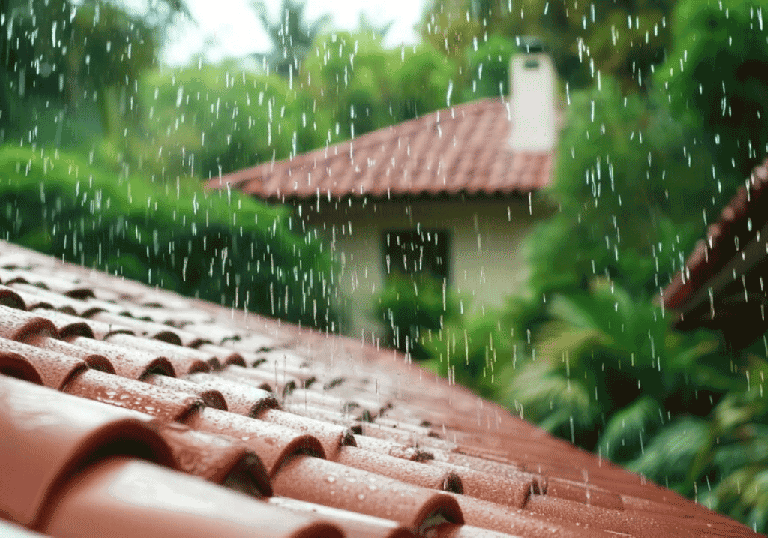
When the raindrops of the monsoon season begin to nourish the earth, nature awakens from its long, dry slumber. Forests, rice fields, and gardens transform into lush vibrant green, the air turns pleasantly cool, and water bodies begin to fill up again—serving as a vital lifeline for agriculture and daily human and animal existence. However, this natural splendor can quickly turn into a hazard, because "without proper waste management and environmental protection, rainwater will become a source of flash floods and infectious diseases."
In order to ensure that the rainy season remains a time of abundance while steering clear of potential disasters, we must all join hands to fulfill several essential environmental responsibilities:
1. Proper Waste and Garbage Management: The Foundation of Flood Prevention
The flash flooding of streets and residential communities following heavy downpours is often not caused by rainfall volume alone, but by clogged drainage systems. Therefore, proper waste management is the most fundamental preventive measure. We must securely pack garbage and place it properly into trash bins, strictly avoiding dumping trash or plastic bags into drains, canals, or roadsides. A single piece of carelessly discarded trash can block water runoff, ultimately creating flash floods that submerge our own homes.
2. Clearing Drainage Systems and Eliminating Mosquito Larvae
Rainstorms constantly wash leaves, twigs, and debris toward drain inlets. Clearing out debris and trash that block roadside drain grates in front of our homes is a duty that must not be overlooked, ensuring rapid water flow and preventing foul-smelling stagnant water. Concurrently, rainwater trapped in discarded cans, bottles, coconut shells, or old vehicle tires around the house forms ideal breeding grounds for Aedes mosquitoes. Therefore, inspecting the premises and turning over any containers that can hold stagnant water serves as an effective protective shield safeguarding our families—especially young children—from dengue fever and chikungunya.
3. Reducing the Use of Agricultural Chemicals
During the rainy season, heavy surface runoff rapidly erodes agricultural soil. If farmers excessively use chemical pesticides or fertilizers, the runoff washes these toxic substances straight into streams, lakes, and rivers. This contamination of natural water resources not only wipes out fish and aquatic biodiversity, but also pollutes domestic water supplies for downstream communities, potentially triggering skin diseases and long-term health complications.
4. Maintaining Cleanliness Around the Household
High humidity during the wet season causes weeds and dense bushes to proliferate rapidly. Overgrown, dark, and damp yards become dangerous shelters for venomous creatures—such as snakes, centipedes, and scorpions—escaping rising floodwaters. Therefore, clearing yards, cutting back overgrown brush, and letting sunlight penetrate the area not only enhances the home's aesthetics, but also directly protects family members from potentially fatal venomous bites and stings.